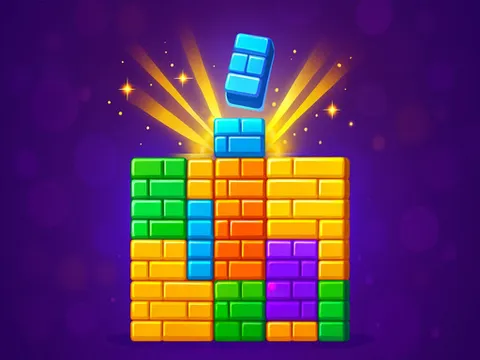
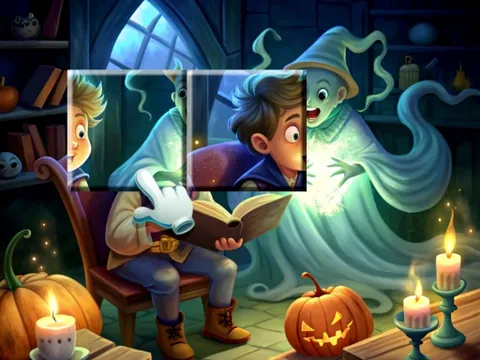
Delete Puzzle: Erase One Part
Puzzle Editorial difficulty: Medium Editor's rating: 3.9/5The subtractive mechanic is a genuinely fresh idea for a browser puzzle game, though a few levels rely on ambiguous scene-reading rather than a clean logical deduction.
About This Game
Delete Puzzle: Erase One Part definitely is a game that everyone will enjoy. It will test your intelligence and logic skills. Each level features a different scene. You need to restore the scene by erasing the extra parts according to the problem. Have the confidence to succeed in the challenge?
Delete Puzzle: Erase One Part flips the usual puzzle instinct — instead of adding or arranging pieces, you're removing them, one at a time, from a cluttered scene until only the correct configuration remains. Each level presents a stated problem (a scene that looks wrong or blocked in some way) and the solution is figuring out exactly which extra element is causing it, then erasing that piece specifically rather than clearing everything indiscriminately. It plays like a cross between a spot-the-difference puzzle and a logic riddle, since the 'correct' deletion is rarely the most visually obvious object on screen.
How to Play
Analyze the puzzle structure and identify which pieces block the solution.Tap pieces to erase them one at a time from the puzzle.Remove pieces in the correct sequence to unlock the next move.Think ahead about dependencies—some pieces support others.Complete erasure objectives within the given piece limit.Master deletion puzzles with increasingly complex configurations.
Study the scene presented at the start of the level and read the stated goal — usually a short description of what needs to look or function correctly once you're done. Tap individual pieces to erase them from the scene, working through the elements you believe are blocking the solution. Some pieces depend on others being removed first, so the order matters. The level clears once the remaining scene matches the intended solution.
Controls: Tap or click each piece you want to erase — the interaction is entirely selection-based, no dragging or dropping.
Source and availability
This game is supplied through gamemonetize. Its availability and in-game rules can change independently, so use the game’s on-screen instructions as the final authority.
Open the game source in a new tab →Strategy & Tips
Identify which pieces are load-bearing before erasing anything — some objects visually support or block others, and removing a supporting piece too early can strand a piece you still need to erase, forcing an unnecessary reset. Erase the piece that most directly contradicts the stated goal first rather than clearing obviously 'extra' clutter around the edges; the game usually hides the correct answer in plain sight among ordinary-looking objects, not in the most visually odd one. When a level feels stuck with no piece obviously matching the goal, reread the stated problem literally — the wording frequently specifies exactly which category of object needs to go, and it's easy to fixate on the wrong element.
What Makes It Different
Every other puzzle on the site is fundamentally additive or rearranging — sort, match, connect, assemble. Delete Puzzle: Erase One Part is the one subtractive puzzle in the collection, which makes it a genuinely different kind of thinking exercise rather than a reskin of a familiar mechanic.
Scoring & Winning
Levels clear on a correct final configuration with no timer or score to chase; there's typically a piece-removal budget on later levels, so erasing the wrong object costs you a limited resource rather than just time.
How It Compares
Brain Puzzle: Tricky Quest shares the same lateral-thinking, read-carefully spirit but resolves through a single clever interaction rather than a sequence of piece removals — pick it for a faster single-screen riddle instead of a multi-step deletion puzzle.
FAQ
What's the goal of each level?
Every level shows a scene with a stated problem — you need to identify and erase the specific extra piece or pieces causing it, restoring the scene to its intended state.
Does the order of erasing pieces matter?
Yes — some pieces depend on others being removed first, so erasing in the wrong sequence can block the correct solution rather than progress toward it.